Homeowner's Guide to selecting a trusted general contractor
Your Preferred General Contractor for Excellent Home Upgrades
A reputable construction professional serves a critical role in home improvements. Their expertise ensures work are finished with precision and care. By concentrating on quality materials and workmanship, they enhance both aesthetics and value. Transparent communication and thorough preparation are vital for a smooth process. However, many property owners miss important considerations when choosing a builder. Recognizing what to prioritize can create all the impact in obtaining a quality remodel. What should property owners consider first?
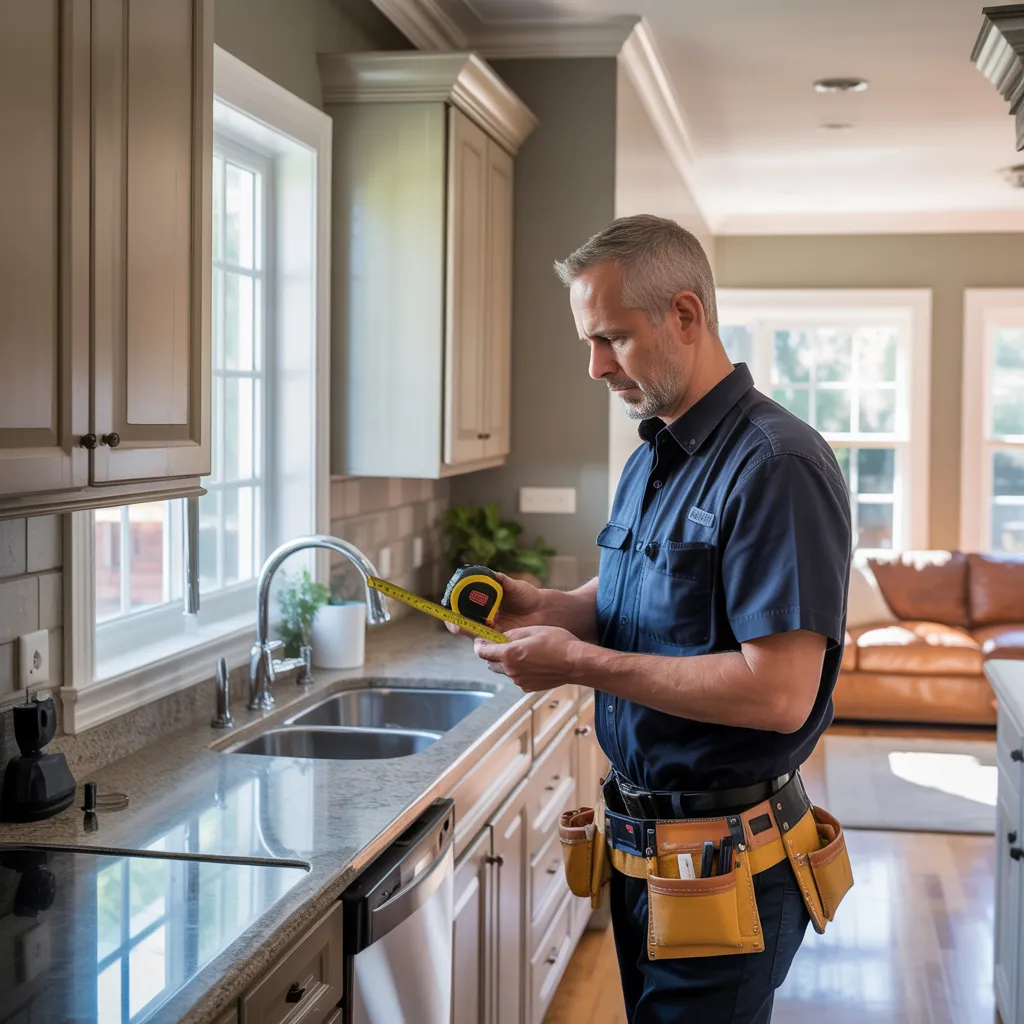
Essential Qualities to Seek Out in a Trustworthy General Contractor
When initiating a home remodeling undertaking, how can one guarantee they select a reliable general contractor? First, people should seek recommendations from friends, family, or digital reviews to discover qualified contractors. It is vital to verify credentials, featuring certifications and insurance, ensuring the builder meets local standards. Following this, reviewing past work through portfolios or references offers insights into the builder's workmanship and credibility.
Moreover, procuring numerous estimates can help determine competitive rates and construction schedules. Interpersonal skills are also important; a construction professional should be cordial and responsive to requests. In addition, a detailed contract specifying work scope, timeframes, and payment arrangements protects both parties. Finally, trust your gut; if a contractor appears lacking professionalism or noncommittal, it may suggest future complications. By following these guidelines, homeowners can substantially improve their likelihood of engaging a dependable construction expert, producing successful home renovation projects.
Why a Local General Contractor Is Your Ideal Choice
Deciding on a regional general professional can greatly improve the results of home improvement projects. Local contractors possess invaluable familiarity with the region, incorporating construction standards, regulations, and land use laws, ensuring compliance and efficiency. Their established bonds with suppliers and trade professionals can lead to competitive pricing and timely availability to materials and qualified workers.
In addition, local contractors often have a name to protect within the area, encouraging them to produce excellent workmanship. This level of responsibility fosters trust and confidence among homeowners.
In addition, proximity allows for easier communication and quicker response times, which can be essential during a project. Homeowners can also look for referrals from neighbors who have previously worked with the contractor, giving peace of mind. Overall, picking a local general contractor not only supports the community but also strengthens the overall quality and experience of home improvement endeavors.
A Comprehensive Step-by-Step Guide for Your Property Renovation Undertaking
Starting a residential renovation project demands thoughtful preparation and implementation. Establishing a project timeline is vital to ensure that tasks are completed efficiently, while choosing premium supplies can significantly impact the final result. This guide will detail these critical procedures to assist homeowners navigate their improvement journey effectively.
Plan Your Work Timeline
A well-organized schedule is vital for achieving quality property improvements, guaranteeing that all phases are delivered productively. To begin with, homeowners should establish the project's scope, outlining concrete goals and desired outcomes. Following this, they should reach out to their general contractor to develop a realistic timeframe based on the project's complexity and required tasks. Splitting the project into smaller phases allows for better tracking and adjustments as needed. It is also vital to account for potential delays, such as weather conditions or logistics challenges, which may impact the schedule. Ongoing consultations with the contractor can help the project stays on schedule. In the final analysis, a definitive schedule fosters understanding and sets expectations, leading to a smoother property upgrade undertaking.
Picking Quality Resources
choosing quality materials greatly influences the results of residential remodeling assignments. First, house occupants must figure out the exact requirements of their project, accounting for factors such resistance, visual appeal, and spending allowance. Investigating multiple substance alternatives is important; this comprises grasping the advantages and weaknesses of individual choice. connecting with professionals can offer beneficial insights into reliable brands and suppliers.
Next, homeowners should ask for samples to assess the appearance and texture of materials firsthand. Comparing prices across different suppliers can help guarantee competitive pricing without sacrificing quality. Finally, verifying that materials meet local construction regulations is essential for protection and adherence to standards. By thoughtfully selecting materials, homeowners data can improve both the durability and aesthetic value of their renovations, ultimately adding value to their property.
Share Your Vision Like a Pro
Successful home improvements often depend on the ability to convey a clear concept. Homeowners should articulate their thoughts, tastes, and requirements, ensuring that they convey their desires effectively to their general contractor. A well-defined vision not only helps in matching the contractor's plans with the homeowner's objectives but also simplifies the decision-making process.
Visual aids, such as sketches or mood boards, can significantly improve communication. They deliver a concrete guide that demonstrates style, color schemes, and layout preferences. Additionally, participating in frank discussion promotes teamwork, allowing the contractor to ask clarifying questions and provide insights.
Establishing realistic timelines and budgets is equally crucial. Property owners should be ready to talk about constraints openly to avoid miscommunications down the road. In the end, communicating a vision with clarity and confidence empowers both parties, paving the way for successful project completion and gratifying outcomes in home improvement projects.
The Importance of Superior Inputs and Expert Workmanship
When it comes to residential renovations, the choice of durable materials greatly impacts the longevity and performance of a undertaking. Just as critical is the importance of expert workmanship, which ensures that these materials are employed effectively. Combined, high-quality materials and skilled craftsmanship produce results that stand the test of time.
Sturdy Fabric Picking
A well-considered selection of strong materials can greatly influence the longevity and aesthetics of home improvements. Superior materials not only boost the visual appeal of a space but also confirm that renovations survive the test of time. Homeowners should prioritize materials with recognized durability, such as hardwood, stone, and high-grade metals, which resist wear and tear and environmental damage. Additionally, picking materials suited to the local climate can avert issues like rot or corrosion. Investing in durable options may require a higher upfront cost, but the long-term benefits—fewer repairs and replacements—make it a sound choice. Ultimately, the right materials contribute to a home's value and overall satisfaction for years to come.
Why Proficient Artistry Matters
Quality craftsmanship plays an crucial role in the success of home improvements, complementing the selection of durable materials. Expert craftspeople guarantee that every aspect of a project is completed with accuracy, improving both performance and aesthetics. Attention to detail in construction, from framing to finishing touches, contributes considerably to the longevity and functionality of home features. Quality craftsmanship not only demonstrates a commitment to excellence but also safeguards against future issues, such as structural problems or aesthetic flaws. Additionally, experienced contractors understand the nuances of various materials, guaranteeing they are utilized effectively. Ultimately, committing to skilled craftsmanship leads to a more satisfying and enduring result, elevating the overall value of the home and the homeowner's experience.
Usual Remodeling Pitfalls and Approaches for Preventing Them
Many residents encounter pitfalls during home renovations that can lead to costly delays and dissatisfaction. One frequent error is downplaying the budget. Without a detailed financial plan, unforeseen costs can quickly surface, jeopardizing the renovation. Additionally, failing to secure necessary permits can cause fines and work stoppages, complicating the remodeling effort.
Making hasty choices by rushing the decision-making process is a frequent error. Quick choices concerning layout and design can result in disappointment down the road. Homeowners commonly overlook the importance of employing experienced professionals, which can compromise the workmanship and safety requirements.
Ultimately, failing to communicate effectively with contractors can generate misunderstandings and unfulfilled expectations. To prevent these pitfalls, homeowners should emphasize thorough planning, obtain the required permits, choose experienced professionals, and keep transparent dialogue throughout the remodeling project. By tackling these typical errors, homeowners can ensure a more streamlined and more satisfying renovation experience.
How to Choose the Appropriate Materials for Your Upgrade?
What methods can property owners use to ensure they determine the right materials for their home improvement work? First, they should assess the exact requirements of the space, considering factors such as performance, aesthetics, and resilience. Researching various materials is vital; property owners should contrast alternatives based on their suitability for the expected application and local climate conditions.
Engaging a trustworthy building contractor can communicate valuable advice into product choices, confirming that preferences match with both monetary goals and design aspirations. In addition, homeowners must stress eco-consciousness by examining sustainable materials that lower ecological impact.
At last, reviewing samples can support informed determinations, enabling homeowners to conceive how materials will appear and feel in their setting. By sticking to these procedures, homeowners can securely opt for materials that improve their renovation while maintaining durability and lasting performance.
Popular Questions Posed Often
How Can I Verify a Contractor's Credentials and Insurance?
To confirm a contractor's licenses and insurance, one can review state regulatory agencies and insurance providers. Additionally, obtaining documentation of licenses and insurance straight from the contractor guarantees authenticity and compliance with regulations.
What Defines the Expected Schedule for Household Upgrade Undertakings?
The anticipated timeframe for home improvement projects fluctuates, often extending from a few weeks to several months, determined by project complexity, magnitude, and mandatory permits. Maintaining dialogue with the professional can help you establish a more accurate schedule.
Can I dwell in My Home Throughout Remodeling?
Yes, a person can dwell in a home during renovation work, though it frequently depends on the project's scope. Partial renovation projects may enable continued residence, while substantial renovation work might necessitate temporary relocation for protection and comfort.
Which Payment Methods Do Contractors Most Often Accept?
Contractors regularly process a broad range of payment types, including cash, checks, credit cards, and digital payment platforms. Some may also make available financing arrangements, allowing clients versatility in regulating renovation costs and payment schedules.
What's the Best Way to Resolve Issues With My Contractor?
To handle contractor conflicts, one should communicate with clarity, document all interactions, and seek a resolution through negotiation. If unresolved, mediation or legal action may be necessary to protect one's interests effectively.